The Biggest Capacity Expansion in a Generation Is Coming
The manufacturing industry is on the cusp of a monumental shift. The biggest capacity expansion in a generation is heading our way, and those who start planning now will position themselves to dominate tomorrow's market. It's a thrilling time but also a challenging one. How do you navigate the complexities of this manufacturing growth wave?
Today's manufacturers need to prioritize capacity planning. The future is bright for those willing to adapt. Let's explore this landscape and what it means for your business.
What Is Driving This Manufacturing Growth?
Various factors are contributing to this unprecedented growth in manufacturing capacity. The world is experiencing a surge in consumer demands, technological advancements, and global supply chain adjustments.
Consumer Demand
The pandemic has changed how we shop and what we buy. Online shopping continues to surge. This boom requires manufacturers to rethink their output to meet heightened demand.
Technological Advancements
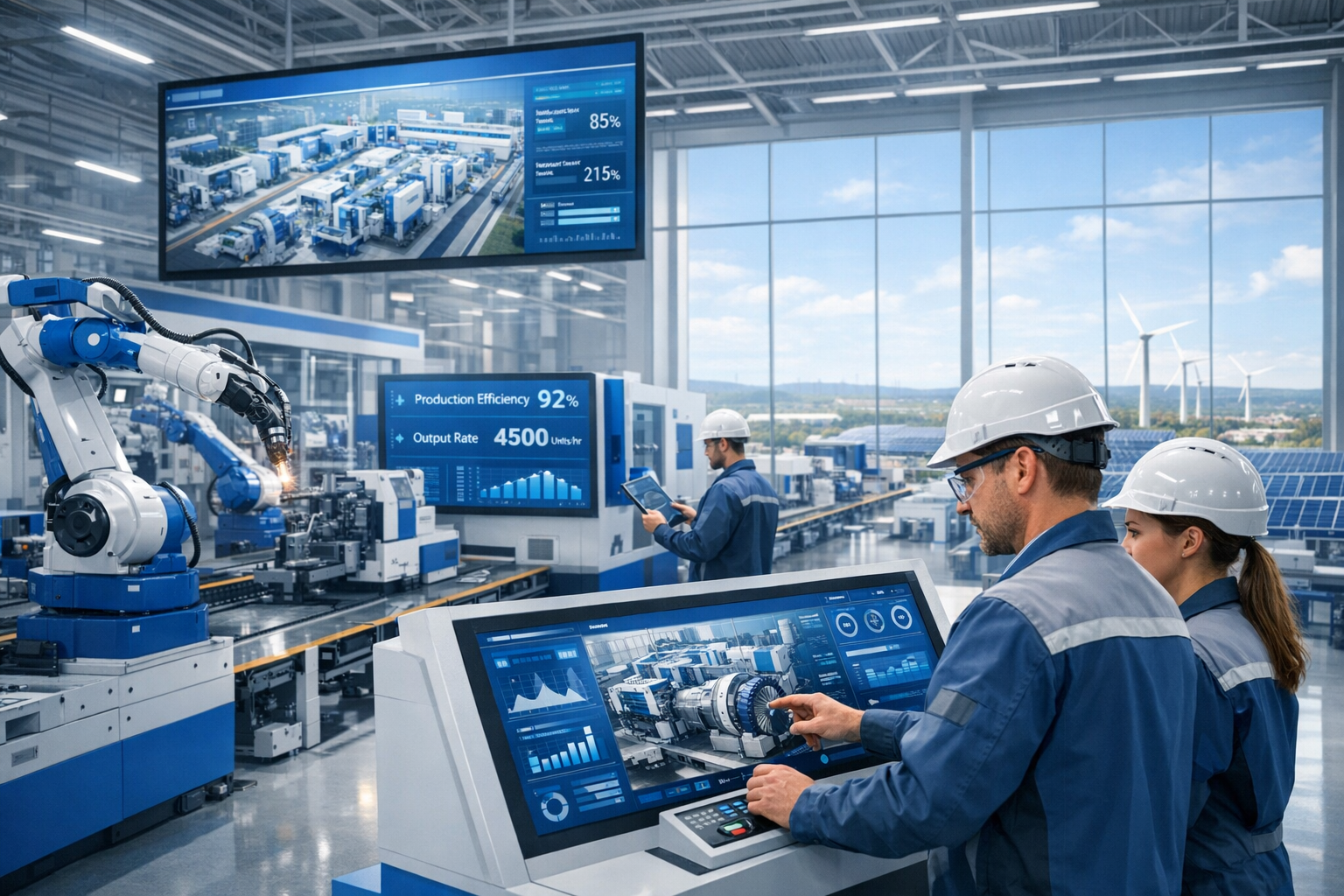
From automation to data analytics, technology is at the forefront of this expansion. Manufacturers that embrace innovations are seeing substantial productivity gains, driving a need for increased capacity.
Global Supply Chain Adjustments
Due to recent disruptions, companies are reassessing their supply chains. Diversifying sources and production locations means enhanced capabilities need to be put in place.
The Importance of Capacity Planning
As we dive into the details of this manufacturing growth, we can't ignore the importance of capacity planning. The right strategies will enable businesses to scale effectively without sacrificing quality.
Assessing Current Capabilities
Start by evaluating your current production levels and capabilities. Do a thorough analysis to identify gaps or bottlenecks in your process. This analysis will help pinpoint where to focus your capacity expansion efforts.
Investing in Advanced Technologies
Investments in advanced manufacturing technologies, like AI and IoT, can lead to significant improvements in productivity. These technologies can provide real-time data to make informed decisions about capacity increases.
Training and Upskilling Workforce
A well-trained workforce is crucial during times of growth. Invest in employee training programs to mitigate ‘growing pains.’ Upskilling staff ensures that they can efficiently handle increased workloads.
Strategies for Seizing the Opportunity
So, how can manufacturers seize this opportunity? Here are some actionable strategies:
For example, consider a company like Tesla. When they identified increased demand for electric vehicles, they didn’t just ramp up production; they invested heavily in new technology and workforce training to ensure they could meet future needs without compromising quality.
Are You Ready for Expansion?
Preparation is key when facing the largest capacity expansion in a generation. Ask yourself:
The answers will help you assess your readiness for growth in a rapidly changing manufacturing environment.
Don't wait for the wave to hit. Start your planning now to establish a robust capacity that will set you apart from your competitors.
In investing in capacity planning now, you're not only preparing for the future but positioning yourself to be a leader in this manufacturing growth era. M-A Integration offers operational efficiency services that can guide you through these changes. Connect with us to learn how we can help your business thrive amid this expansion.
FAQs
What is capacity planning, and why is it important?
Capacity planning is the process of determining the production capacity needed by an organization to meet changing demands. It ensures that a business can fulfill customer requests without overextending resources.
How does manufacturing growth impact smaller businesses?
Manufacturing growth creates opportunities for smaller businesses to scale. However, it can also present challenges in terms of resource allocation and increasing competition.
What services does M-A Integration provide to support manufacturing companies?
M-A Integration offers a variety of services, including operational efficiency consulting, capacity planning assistance, and technology integration to optimize production processes.