
We help businesses identify and reduce shipping and freight costs across inbound materials, outbound products and multi-location distribution. Carrier rates are only one part of the total: fuel surcharges, accessorial fees, shipment classifications, delivery zones and inefficient shipping practices gradually increase costs.
An effective freight strategy also has to protect reliable delivery, product quality, customer expectations and your supply chain, so we look for the lowest total cost that keeps service strong.
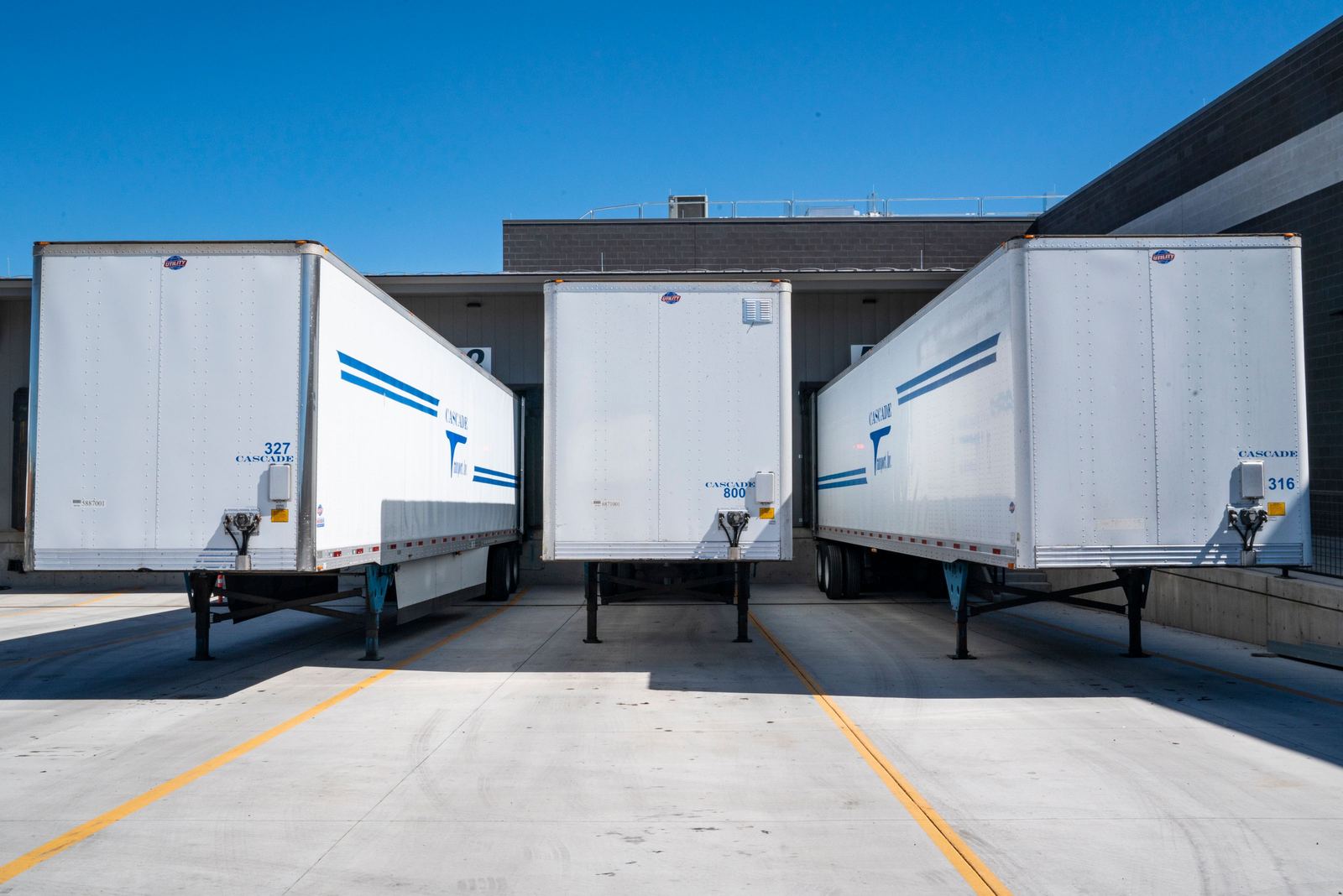
Many businesses track total freight spend without examining the charges inside each invoice. The total cost of a shipment includes transportation rates plus fuel surcharges, residential delivery, liftgate, reclassification, redelivery, detention and other accessorial charges.
A shipping cost review examines recent invoices, shipping activity and agreements to find the recurring charges behind rising costs. Often the fix is a process, such as releasing orders earlier to avoid expedited freight or entering correct weights and dimensions.
Freight costs rise when agreements no longer match your shipping volume, and when packaging, customer locations or shipment frequency change. Avoidable billing issues add up too: incorrect freight classifications, inaccurate dimensions, address corrections and repeated delivery attempts look minor on one invoice and significant across thousands of shipments.
We separate unavoidable market costs from charges that better planning, better data or more suitable transportation arrangements can reduce.
Terms set when the business was smaller, still applied to today’s volume.
Oversized packaging raises billable weight and dimensional charges.
Orders split into several smaller shipments instead of one.
New delivery locations move shipments into different zones.
A wrong class triggers a reclassification charge after pickup.
Measured weights and dimensions that do not match the manifest.
Incomplete or wrong address data billed back as a correction fee.
Failed first attempts billed again as redelivery.
We review parcel, less-than-truckload, full truckload, inbound and outbound freight in four steps, and every recommendation is checked against delivery performance. A lower-cost option is not useful if it creates delays, damages products or weakens customer service.
What the business ships, where shipments originate, how customers and facilities receive them, and which carriers are used today.
Parcel, less-than-truckload, full truckload, inbound materials and outbound distribution, as the business requires.
Repeated surcharges, billing inconsistencies, service mismatches and inefficient shipping patterns, compared across locations.
Findings explained with their effect on delivery performance, so the business can decide what to act on.
No single carrier or pricing model fits every business. The right approach depends on your products, customers, locations and volume, and the most common opportunities are below, including inbound freight, which suppliers often build into product pricing without showing you the cost.
Combining orders that are currently moving as several smaller shipments.
Aligning pickups with how orders are actually released.
Reducing billable dimensions and damage-related handling.
Verifying class so shipments are not reclassified after pickup.
Matching the service purchased to what the delivery actually requires.
Limiting corrections, liftgate use, waiting time and failed attempts.
One set of procedures and agreements across every facility.
Understanding what supplier-arranged transportation really costs.
Want to know where your freight spend is going? A review shows what you pay and why.
Request a Shipping and Freight ReviewSome freight costs are symptoms of operational problems. Late production forces expedited shipping, inventory stored in the wrong location travels farther than it should, and incorrect shipment information triggers extra charges.
Because we combine shipping cost analysis with supply chain optimization, operational excellence and process improvement, we fix the source, which produces more lasting savings than carrier rates alone.
Manufacturers depend on reliable transportation for raw materials, components and finished products. A freight review looks at supplier shipments, carrier performance, routes and delivery requirements, and at how production schedules, inventory decisions and warehouse processes drive transportation spending.
For private equity portfolio companies, the same analysis across several locations supports purchasing decisions, operational integration and profitability improvement.
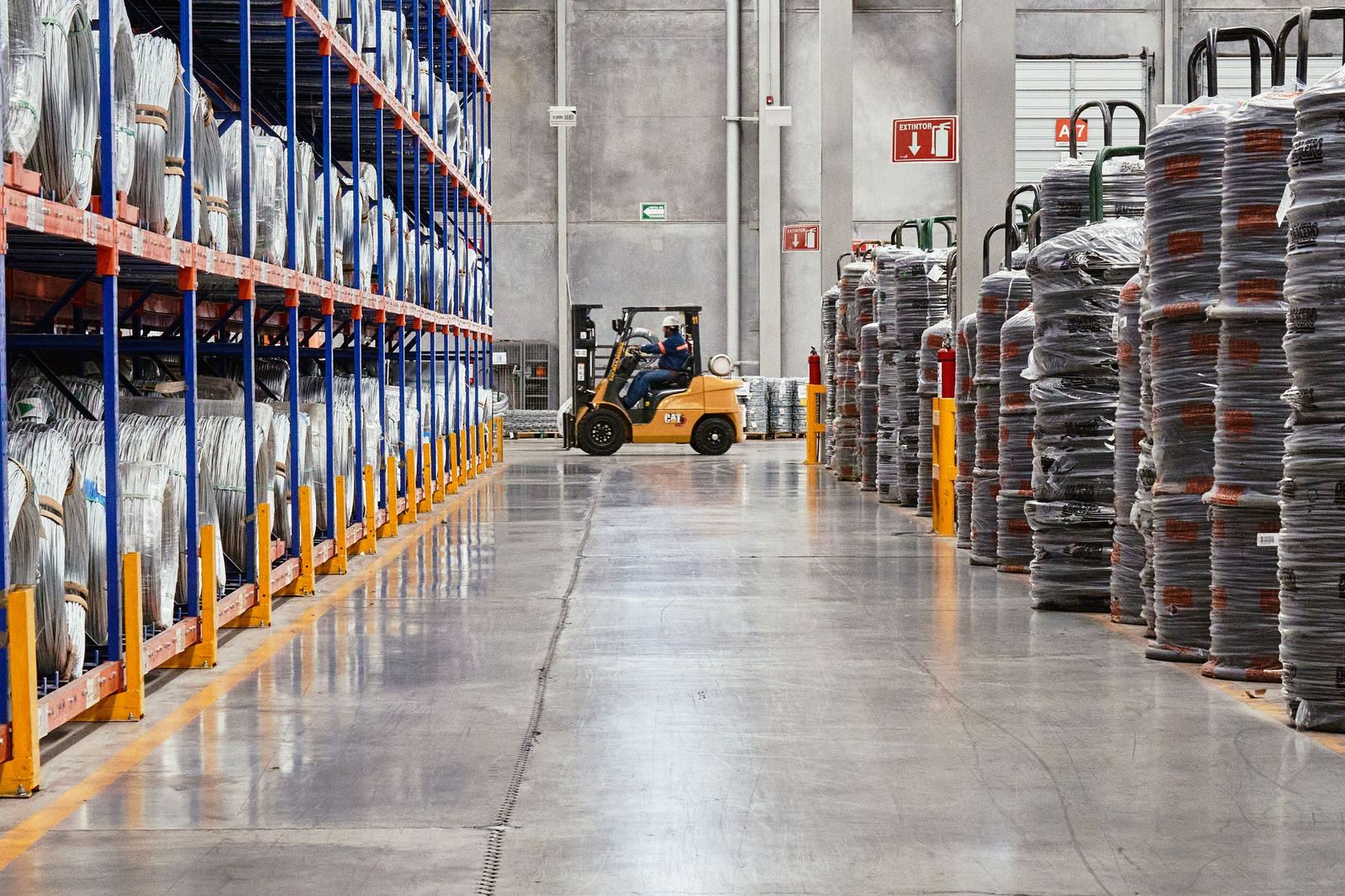
After an acquisition, the combined business is frequently shipping under two separate carrier agreements, two sets of accessorial terms and two negotiated discount tiers. Moving all volume onto the stronger agreement can change freight costs without touching a single route.
In the first hundred days after close, duplicates like these are usually the fastest savings available, because removing them requires no negotiation with anyone outside the combined business.
This is part of our post-merger integration work, alongside operational due diligence, Day One readiness, supplier and contract consolidation and synergy tracking. We lead it hands-on, inside your operation. If you have recently closed an acquisition or are preparing for one, talk to us about integration.
Freight cost reduction must not compromise the supply chain. Every recommendation is checked against carrier performance, shipment tracking, claims handling, geographic coverage and customer support, and against product needs for fragile, oversized, hazardous, temperature-sensitive or high-value goods.
We read freight invoices and carrier agreements alongside the planning, packaging, scheduling and inventory decisions that create the charges. A recurring expedited shipment usually points to a production or order-processing delay, and correcting the source removes the cost for good.
A review can cover one shipping lane, one facility or an entire transportation network. Freight is often one part of a larger expense picture that includes utilities, technology costs, accounts payable processes and other recurring business expenses.
We start with what the business ships and what its customers expect, then read the numbers against that context.
Expedited shipments and reclassification charges usually point back to a process, not a carrier rate.
Every recommendation is presented with its effect on delivery performance and product protection.
“Joe serviced my sales staff with timely delivery of our products to our customers.”

Common questions about how a shipping and freight cost review works, what it needs from you and what it can realistically deliver.
The review examines recent freight invoices, carrier agreements, shipping reports and accessorial charges. It may cover parcel, less-than-truckload, full truckload, inbound or outbound transportation. The purpose is to identify billing errors, repeated surcharges, service mismatches and shipping practices that add avoidable cost.
Not necessarily. Many opportunities come from correcting billing issues, improving shipment preparation, verifying freight classifications or consolidating volume under an existing agreement. If a carrier change is recommended, the service, coverage and operational effects are reviewed before any decision is made.
The review generally begins with several months of freight invoices, current carrier agreements and basic information about what the business ships and where. Shipping reports, packaging specifications and production schedules provide additional context where available.
Yes. Inbound transportation is frequently overlooked because suppliers often build shipping into product pricing or arrange it without giving the buyer cost visibility. Reviewing inbound freight helps the business understand what it is actually paying and whether it has better options.
Yes. A multi-location review compares carrier agreements, shipping procedures and accessorial charges across facilities. Differences between similar locations often reveal inconsistent practices or agreements that no longer match current volume.
No. Savings depend on current carrier agreements, shipment volume, product characteristics and existing shipping practices. The review determines whether a meaningful opportunity exists and gives the business information it can use to decide what to do next.
Freight charges accumulate across every shipment, and the individual line items are easy to overlook. A structured review shows what you are paying, why costs are changing and where improvements are realistic.