
We help businesses identify and reduce electricity, natural gas, water and other utility costs. Billing errors, unsuitable rate structures, unnecessary usage and inefficient equipment quietly increase monthly expenses, and a utility cost review shows which of them are affecting yours.
Every recommendation has to keep production, safety, employee comfort and customer service running, so we focus on practical savings that do not disrupt daily operations.
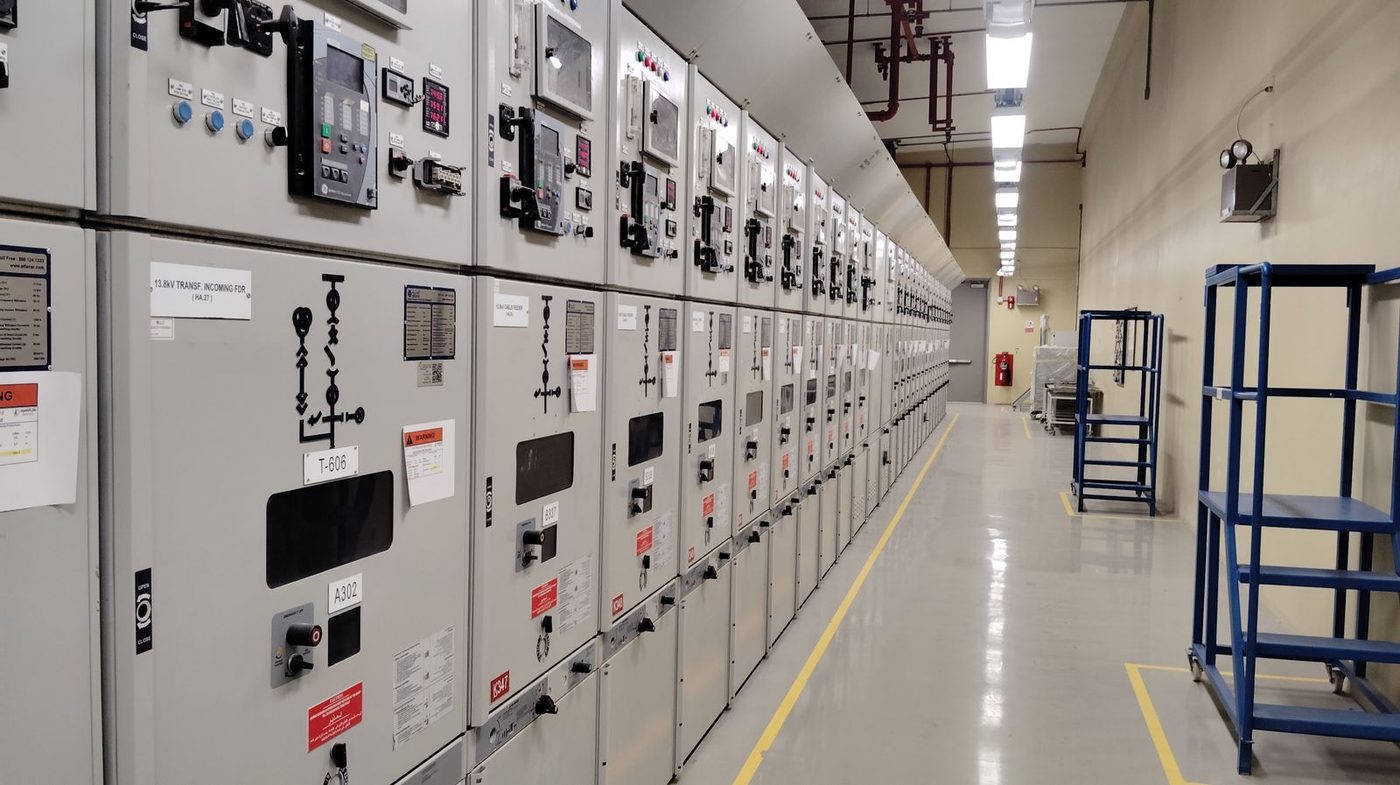
Utility bills are more complicated than the total amount due. A bill may contain usage charges, demand charges, delivery fees, taxes, service charges and other adjustments, and most businesses only track the total.
A utility expense review shows what you are paying for across electricity, natural gas, water and sewer, and how each charge changes with your operating schedule, facilities and recent business changes.
Higher utility expenses are not always caused by rate increases. Changes inside the business, an unsuitable rate structure or service classification, estimated readings and billing errors can all raise what you pay, and demand charges can rise from short periods of unusually high electricity use.
A structured review separates unavoidable operating costs from the ones you can correct through billing fixes, efficiency improvements or better energy management.
More production hours change both consumption and demand.
Equipment installed since the account was last reviewed.
The facility running for longer than the account assumes.
Systems working harder because of poor maintenance, outdated controls or changes to the facility.
Consumption rising because of leaks, inefficient fixtures or production processes.
An unsuitable rate structure or service classification applied to the account.
Estimated meter readings, incorrect account information or billing errors.
A short period of unusually high electricity use influencing part of the bill.
Four steps take you from scattered bills to clear, prioritized recommendations, and you decide what to act on.
How utilities support operations, and how a manufacturing facility differs from a hotel, healthcare organization or professional office.
Usage, demand, rates and recurring charges compared across several months, and between facilities where there are multiple locations.
Business hours, production schedules, equipment changes and facility expansions that billing records alone do not explain.
Areas that deserve further review, with the potential value, requirements and operational effect of each recommendation.
Every facility uses energy and water differently, so the right savings depend on your operation. Opportunities usually sit in the account itself, in how equipment and schedules run, and in maintenance that keeps systems efficient and reliable. Every change has to be safe and protect productivity and service quality.
Checking that the classification on the account still matches the business.
Confirming that what is billed reflects what the facility actually used.
Reviewing the rate structures available to the account.
How lighting, heating, cooling, compressed air and production equipment are operated.
Avoiding costly demand peaks when several high-demand systems run at the same time.
Dirty filters, faulty controls and poorly maintained equipment use more energy than necessary.
Leaking compressed-air lines waste energy and reduce reliability.
Leaks, unnecessary flow, inefficient cleaning practices and outdated fixtures.
Want a second look at your utility bills? A review shows where your energy and water costs can come down.
Request a Business Utility Cost ReviewProduction machinery, compressed air, ventilation, heating, cooling and lighting all drive a plant’s utility costs. We compare energy use with production output: rising use without rising output points to inefficiency, maintenance problems or poorly coordinated operations, and compressed air leaks are a common source.
Because we combine utility cost analysis with operational excellence and process improvement, we can tell whether a higher cost comes from the bill, the equipment or the process, and reduce it without giving up the capacity and reliability your customers depend on.

Companies with several facilities often have different providers, rates, account structures and practices at each site. Comparing costs, consumption and activity across locations reveals billing issues, equipment concerns and inconsistent energy management, and centralized reporting helps you spot unusual changes sooner.
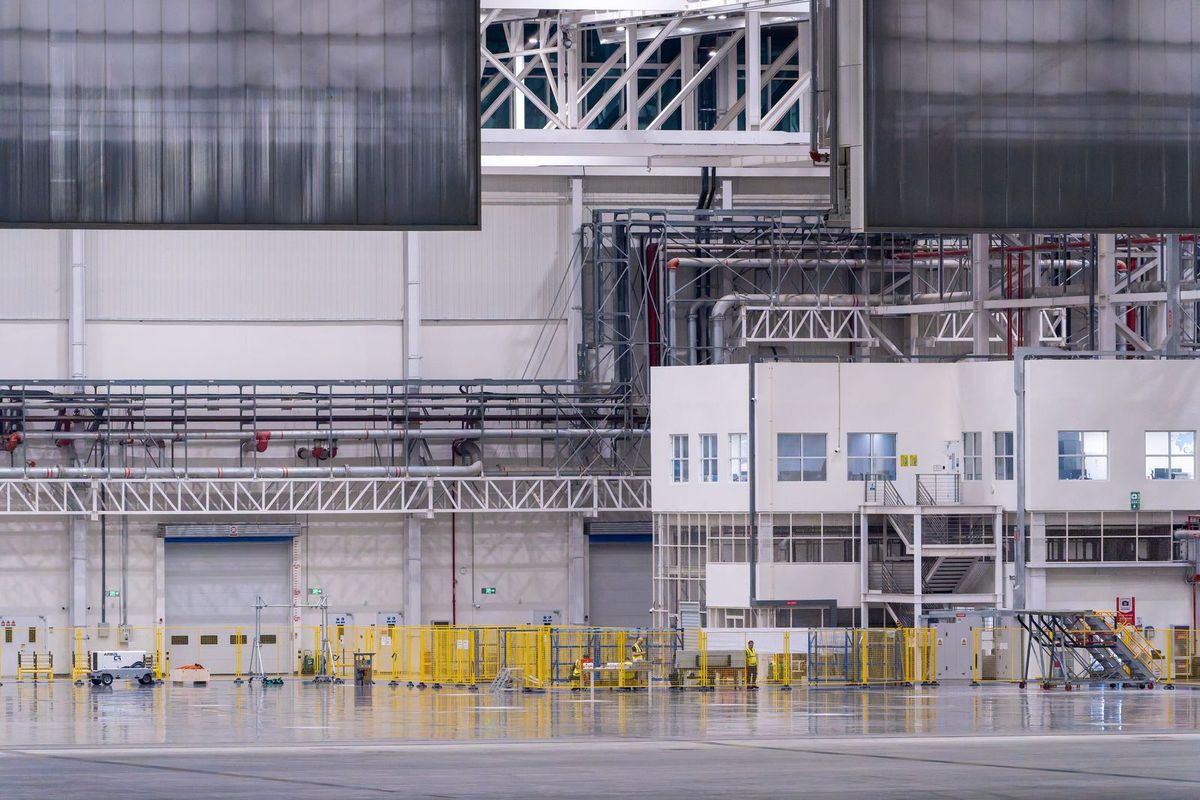
Every acquired facility arrives with its own utility accounts, rate structures and supply agreements. Reviewing them together across the combined footprint often reveals rate classes that no longer match how each plant actually runs.
In the first hundred days after close, duplicates and mismatches like these are usually the fastest savings available, because correcting them requires no negotiation with anyone outside the combined business.
This is part of our post-merger integration work, alongside operational due diligence, Day One readiness, supplier and contract consolidation and synergy tracking. We lead it hands-on, inside your operation. If you have recently closed an acquisition or are preparing for one, talk to us about integration.
Utility savings should never interfere with production, safe facility conditions or the customer experience. Each recommendation is weighed against expected savings, implementation cost, operational risk and payback period.
A practical plan starts with low-disruption fixes, such as billing corrections and schedule changes, and then evaluates larger equipment or facility projects.
Utility data is also an early warning system. Tracking energy against production output, water and electricity against occupancy, or similar facilities against each other shows leaks, equipment problems and process changes sooner, so you can act before costs rise.
We look at utility costs as part of the whole operation: the bill, the facility, the equipment and the production process. That shows whether higher costs come from rates, consumption or operational inefficiency.
A review can cover one location, one utility or several facilities. Utilities are often one part of a larger picture, and you can also review freight and other recurring business expenses.
We examine billing information while also considering facilities, equipment, production requirements and business processes.
The wider view helps determine whether increased costs are connected to rates, consumption or operational inefficiency.
One location, one utility category or several facilities, based on the size of the organization, its concerns and the information available.
“As Vice President, US Operations Joe has expanded the capacity of our facilities through process improvements, new technologies, and improved morale in the facilities.”

Common questions about what a business utility cost review covers, what it needs from you and what it can realistically deliver.
A utility cost review examines electricity, natural gas, water, sewer and other facility-related expenses. It evaluates billing accuracy, consumption patterns, rate structures, demand charges and operational factors that may be influencing costs.
Not necessarily. Potential savings may come from correcting billing information, evaluating rate options, reducing unnecessary usage or improving equipment and operating practices. Available options depend on the organization’s location and utility market.
Some opportunities can be implemented without reducing output, such as correcting billing errors, repairing leaks or improving equipment scheduling. Any proposed change should be evaluated to ensure that it does not compromise capacity, safety or product quality.
Yes. Reviewing multiple locations helps identify unusual cost differences, inconsistent practices and possible opportunities for standardization. The assessment accounts for differences in facility size, operating hours and business activity.
The review requires recent utility bills, account details and information about facility operations. Equipment changes, operating schedules and production activity also help explain consumption patterns.
No. Savings depend on the organization’s current bills, rate structures, consumption and operational conditions. The review determines whether meaningful opportunities exist and provides information the business can use to evaluate possible improvements.
Rising utility costs reduce profitability and can signal billing or equipment issues. A structured review shows where your energy and water costs can come down.