
OPERATIONAL EXCELLENCE
Operational excellence is the discipline of running a plant so that safety, quality, delivery and cost improve together, and stay improved. We work alongside your leadership team on the floor to improve operating profit, cash flow and service levels through Lean and Six Sigma, capacity and yield, quality and cGMP compliance, supply chain and automation.
Increasing enterprise value since 2011 · Six Sigma Black Belt · cGMP and regulated manufacturing
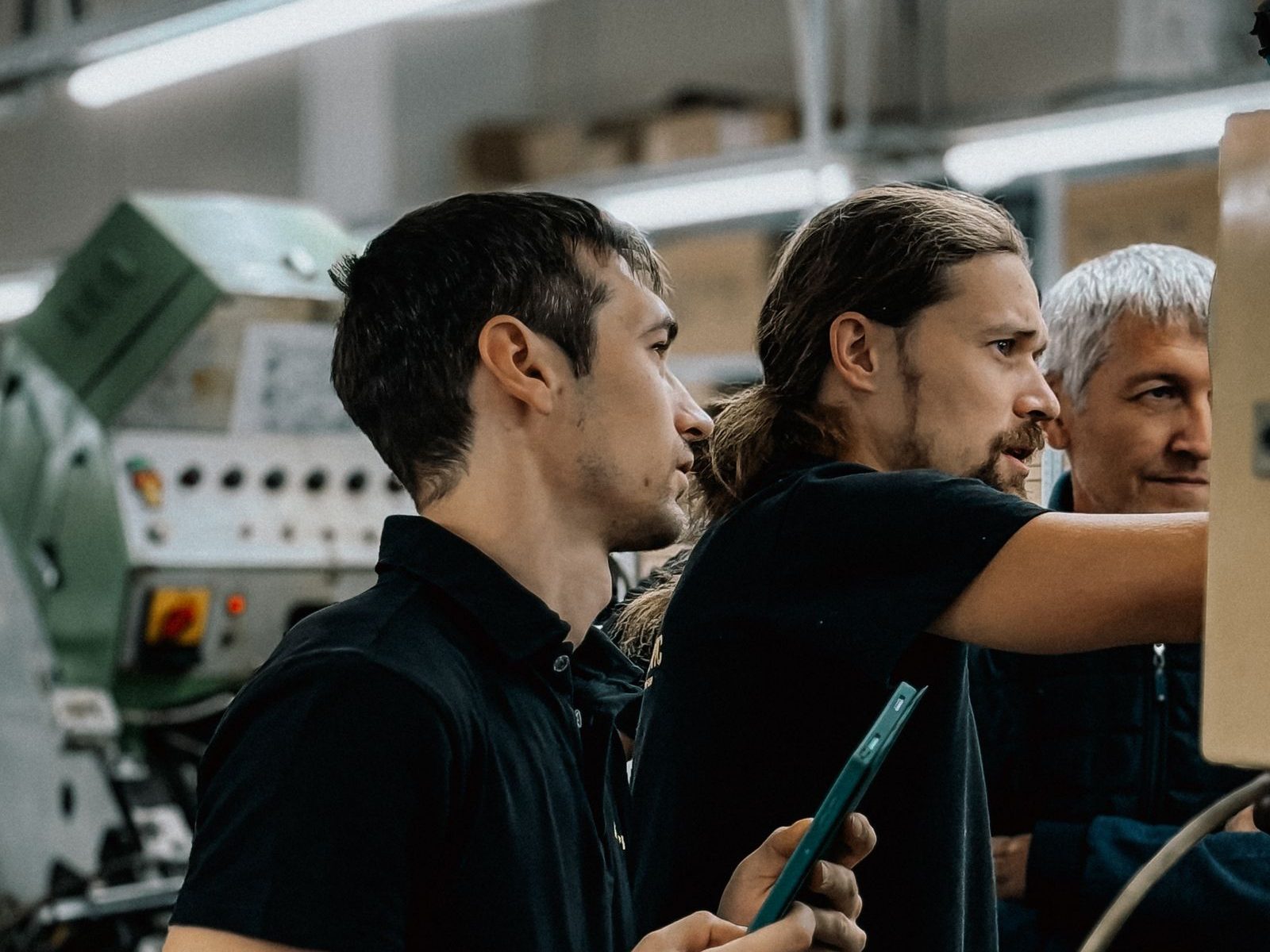
Every improvement on the plant floor shows up somewhere in the value of the business. Better yield and uptime widen margin. Capacity released from existing equipment can delay or avoid new capital spending. A stronger quality system lowers the cost of scrap, rework and complaints, and removes risk that a buyer or lender would otherwise price in.
The difference between a one-time project and operational excellence is whether the gains last. That depends on standard work, daily management and people who know how to keep improving after the consultants have gone. It is also what buyers look for when a business is being prepared for sale, which is why this work sits at the center of our exit readiness engagements.
The goal is a plant that performs better next year than it does today, and keeps improving without us in the building.
We start where the losses are largest and work outward. Most engagements draw on several of these disciplines.
Manager training and coaching, from introduction through belt certification, applied to your own processes so the learning pays for itself. Explore our Lean manufacturing and Six Sigma programs.
Material yield and quality analysis, equipment uptime and effectiveness training, process capability studies and design of experiments to optimize cycle time and speed, so you get more saleable output from the assets you already own.
Corrective and preventive action, root cause analysis training, cGMP compliance and process validation that reduce quality escapes and the waste and risk that come with them.
Alternate material sources through structured requests for quotation, supplier relationship management, material specifications and product testing that reduce constraints and cost without putting quality at risk.
Optimized process design and specifications, automation engineering projects that relieve labor constraints, and energy savings in lighting and compressed air.
Standard work, visual performance measures and short daily reviews that make problems visible early and give supervisors the tools to solve them. This is what keeps improvements from fading once a project ends.
We spend time on every shift, talk with operators and supervisors, and agree a short list of measures such as safety, on-time delivery, scrap, yield and uptime, measured the same way from day one.
We identify the bottleneck that limits output and the few sources of loss that cost the most, so effort goes where it pays back first.
Improvement projects, training and coaching run with your people, not around them. Each project has an owner inside the business and a measure of success.
Standard work, daily management routines and trained internal leaders keep the results in place and keep the next round of improvement going.
Output flat or scrap climbing? Let's walk the floor together.
Schedule a CallThe same toolkit supports every moment when operations decide the value of a business.
Before a deal
Our operational due diligence uses these methods to test whether a target plant can deliver the plan.
After a deal
In a post-merger integration, they standardize two operations and deliver the synergies on the floor.
Growing the business
When the next step is new products and new customers, our innovation and growth work takes over from the cost side.
Most clients call us when one or more of these has been true for a while.
How we work
We work with the people and the systems you already have, and leave them stronger.
“He came in at a very difficult period of change in the plant and turned the ship around. His respect and thoughtfulness revitalized the team and allowed us to focus on improving processes and increasing production.”

Common questions from manufacturing leaders and owners.
Operational excellence in manufacturing is a way of running a plant so that safety, quality, delivery and cost improve together and the improvements last. It combines methods such as Lean and Six Sigma with daily management routines and trained people who keep improving the process over time.
Lean and Six Sigma are toolkits inside operational excellence. Lean removes waste and improves flow, and Six Sigma reduces variation. Operational excellence is the broader system that applies them to capacity, quality, supply chain and people, and makes sure the results are sustained.
Focused work on a real constraint often shows measurable progress within the first weeks. Building a culture that sustains the gains takes longer. We agree the measures at the start so progress is visible from the baseline rather than claimed.
Yes. Training and coaching are part of almost every engagement, from introduction to Lean and Six Sigma through belt certification, so the capability stays inside your business.
Yes. Our experience includes cGMP and other regulated environments, where improvements have to respect change control, validation and documentation requirements.
Usually not at the start. We begin with the data and systems you already have. Where a system is genuinely limiting performance, we say so and help define what is needed.
It is the toolkit behind every stage of a deal. The same methods test a target plant during diligence, deliver synergies during integration and strengthen the operation before a sale.
A short conversation and a walk through the operation are usually enough to identify where the biggest opportunities are.