
The thesis is operational. So is the risk.
Research summarized by Knowledge at Wharton points to the same four causes behind integrations that fail to deliver: planning that starts too late, weak governance with no dedicated senior leader owning the work, synergy targets that are never translated into actionable initiatives, and communication voids that leave people guessing.
None of the four are financial problems. All four are solved on the floor.
Three stages. One operator across all of them.
Your deal was underwritten on operations. That is where the return sits, and that is where it leaks. I have run the plants that private equity buys, so I find the operational risk before you sign and turn the synergy line in your model into work that people on the floor actually do.
1.
Before You Sign
Operational Due Diligence
What the financial model cannot see. Plant and process capability, quality systems, deferred maintenance, supply chain concentration, and whether the people who make it work intend to stay. You get findings in plain language, with the risks quantified and the fixes costed.
Operational Due Diligence2.
Sign to Close, and Day 1
Acquisition and Transition Support
The window between signing and close is where integration is won or lost. Day 1 readiness, transition service scoping, continuity of quality and regulatory compliance, and a first Monday after close where nothing stops.
Acquisition and Transition Support3.
Close Through Day 100
Post-Merger Integration
Integration is the synergies and the cost savings. I run the 100-day plan, own the workstreams, and convert the value drivers in your model into tracked, dated actions with named owners and a number against each one.
Already own the asset?
Increase enterprise value and free cash flow before you take it to market.
I have sat in the seat your management team is sitting in.
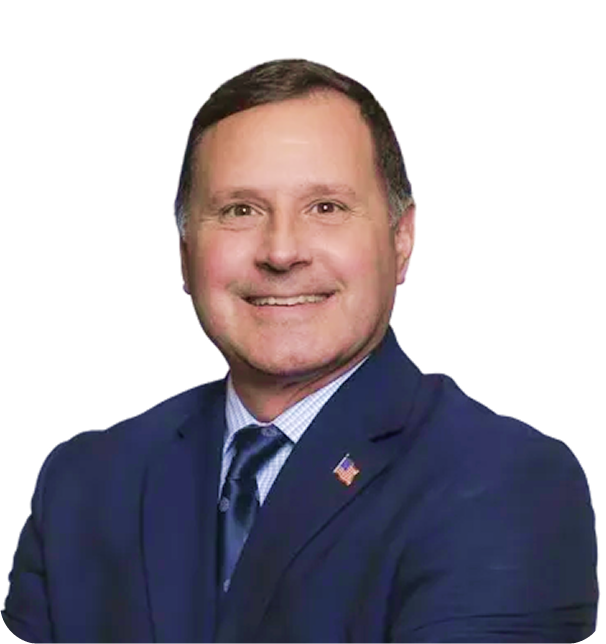
Before consulting, I spent more than two decades running manufacturing operations. Plant leadership and process engineering across paper and converting, adhesives, coatings, packaging, security products and specialty chemicals. Vice President of US Operations and Director of R&D, Regulatory and Quality at York Wallcoverings. Chemical engineering degree from UMBC. Six Sigma Black Belt. Deep cGMP and regulated manufacturing experience.
That record matters for one reason. When I walk a plant during diligence I am not working through a checklist. I am looking at the same things I used to be accountable for: whether the line rate in the data room is real, whether the quality system would survive an audit next month, whether maintenance has been deferred to protect a number, and whether the two people who actually understand the process are already halfway out the door.
Capability strip
Day 1 readiness and 100-day execution
Quality system and cGMP integration
Lean Six Sigma, OEE, cost and waste reduction
Supply chain constraints and capacity without capital
Product development stage gate and process engineering
People who have worked with Joe
Colleagues, executives and board members from more than two decades in manufacturing operations.
❞
Joe has made a tremendous impact. He has added systems and best practices to our quality program and significantly expanded our R&D capabilities. As Vice President, US Operations, Joe has expanded the capacity of our facilities through process improvements, new technologies, and improved morale in the facilities.
Brian Golden
CEO at American Leather
❞
Joe is a go-to person that can be trusted to get the job done. He can analyze a situation and then articulate a clear plan of action.
Karen Olson
President at BalMed LLC
❞
Joe is an excellent manager and leader. I highly recommend Joe's expertise in operations, new product introduction, quality and safety improvement.
Greg Miller
Experienced CEO and Managing Director at Alliance of CEOs
How an engagement runs
01
A conversation
Thirty minutes. You describe the deal or the plant. I tell you whether I am the right person for it. If I am not, I say so on that call.
02
Scope and plan
A written scope with the deliverable, the timeline and exactly what I need from your team. Fixed fee wherever the work can be defined in advance.
03
In the plant, not on a status call
I am on site doing the work. You get a weekly written update and one live document that tracks every action, every owner and every date.
What this asks of you:
Access to the site, one internal sponsor who can unblock things, and about an hour a week.
Who this is for
- Private equity operating partners and portfolio operations leads
- COOs and VPs of Operations inside portfolio companies
- Heads of integration and corporate development at acquisitive manufacturers
- Owners of manufacturing businesses between $20M and $500M in revenue
- Regulated and quality-critical manufacturing: cGMP, medical device, specialty chemical, food and beverage, packaging and converting
Beyond integration
Not every problem in a plant starts with a deal. Process engineering, product development and stage gate design, automation and capacity projects, and quality system remediation are available as standalone engagements.
Beyond Integration ↗Where I am not the right fit
Financial and accounting due diligence. Legal and tax structuring. Software and technology integrations. Businesses outside manufacturing. If that is what you need, I will tell you on the first call and point you somewhere better.
Associations and Credentials
Professional memberships and certifications




Insights
Access to the site, one internal sponsor who can unblock things, and about an hour a week.


Frequently asked questions
Straight answers to the questions sponsors and operators ask before a deal.
Q1. What is post-merger integration in manufacturing?
Post-merger integration in manufacturing is the work of combining two operations after a
deal closes so the business delivers the results the deal was priced on. In a manufacturing
context that means production continuity, quality and regulatory compliance, supply chain
and supplier consolidation, systems, and the people who run the lines. It is separate from
the transaction itself, and it is where most of the value is either captured or lost.
Q2. How is operational due diligence different from financial due diligence?
Financial due diligence tests whether the numbers are accurate. Operational due diligence tests whether the operation can keep producing them. It examines real line capability against reported capacity, quality systems and audit exposure, deferred maintenance, supplier concentration, and key person risk on the floor. Two businesses with identical financials can carry completely different operational risk.
Q3. When should integration planning start?
Integration planning should start before close, once deal probability is high, not on the day after signing. The most common and most expensive mistake is treating integration as a post-close activity. Planning during the sign-to-close window means Day 1 is executed rather than improvised, and it is the difference between a first Monday that is quiet and one that is spent firefighting.
Q4. What does a 100-day integration plan include for a manufacturer?
A 100-day plan for a manufacturer covers Day 1 readiness, production and quality continuity, regulatory and certification continuity, supply chain and supplier rationalization, systems and reporting, organizational design and retention of key operators, and a synergy tracker where every initiative has an owner, a date and a number. The plan is a working document reviewed weekly, not a slide deck presented once.
Q5. How are synergies actually captured after acquiring a manufacturer?
Synergies are captured by translating each line in the model into a specific operational initiative with an owner, a date and a measurable target. In manufacturing the recurring levers are procurement and supplier consolidation, footprint and capacity utilization, scrap and rework reduction, labor and shift structure, changeover and downtime, and freight. A synergy target that stays at the category level does not get delivered.
Q6. What size and type of business do you work with?
Manufacturers between $20M and $500M in revenue, most often private equity backed or owner-operated, with a focus on regulated and quality-critical production including cGMP, medical device, specialty chemical, food and beverage, and packaging and converting. Engagements run from a two-week operational diligence review through full 100-day integration leadership.
If you have a deal in motion, start with a conversation.
Thirty minutes, no preparation needed on your side. Describe the deal or the plant and Iwill tell you what I would look at first and whether I am the right person for it.