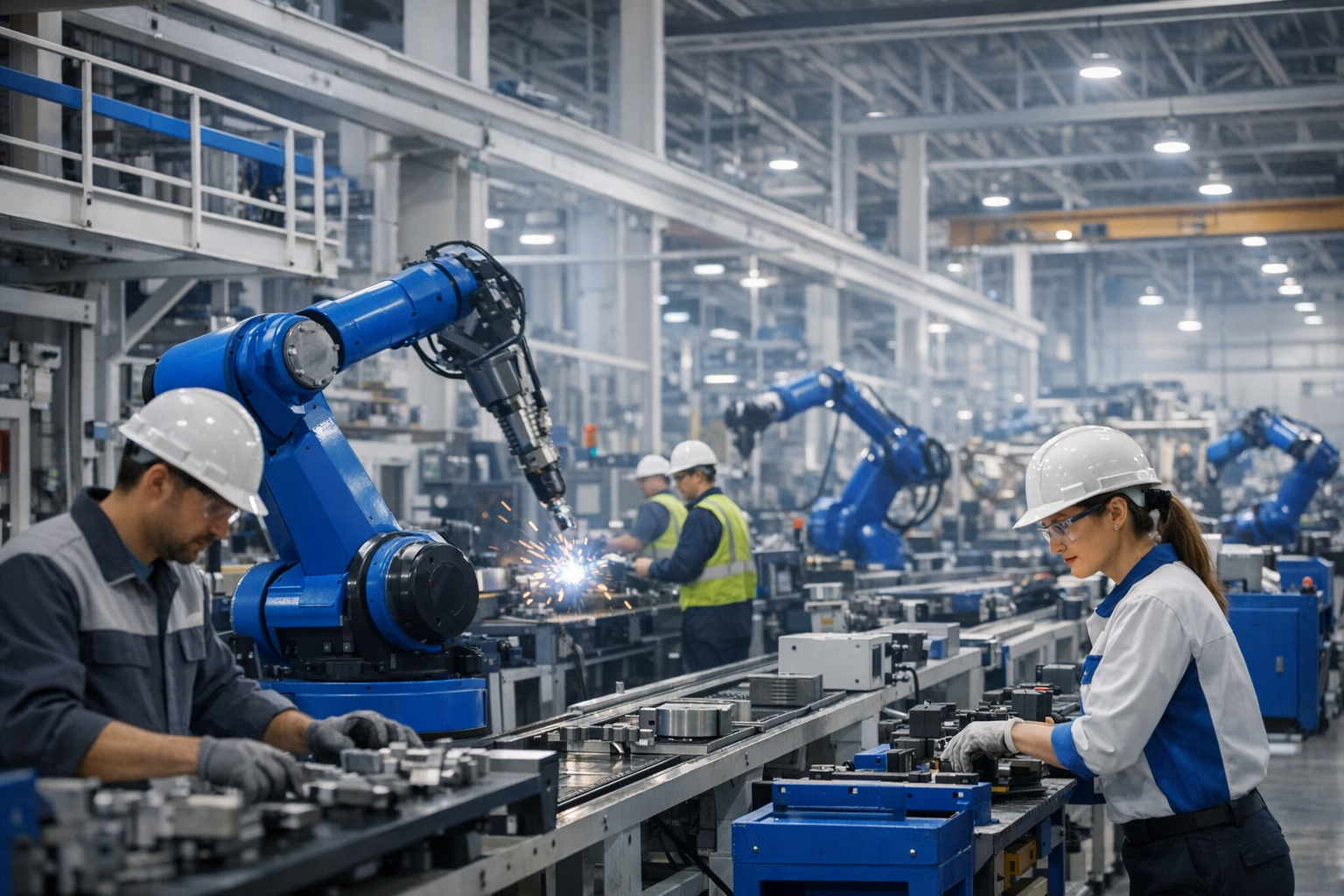
Automation or Obsolescence? The Next Wave of Manufacturing Investment Is Here
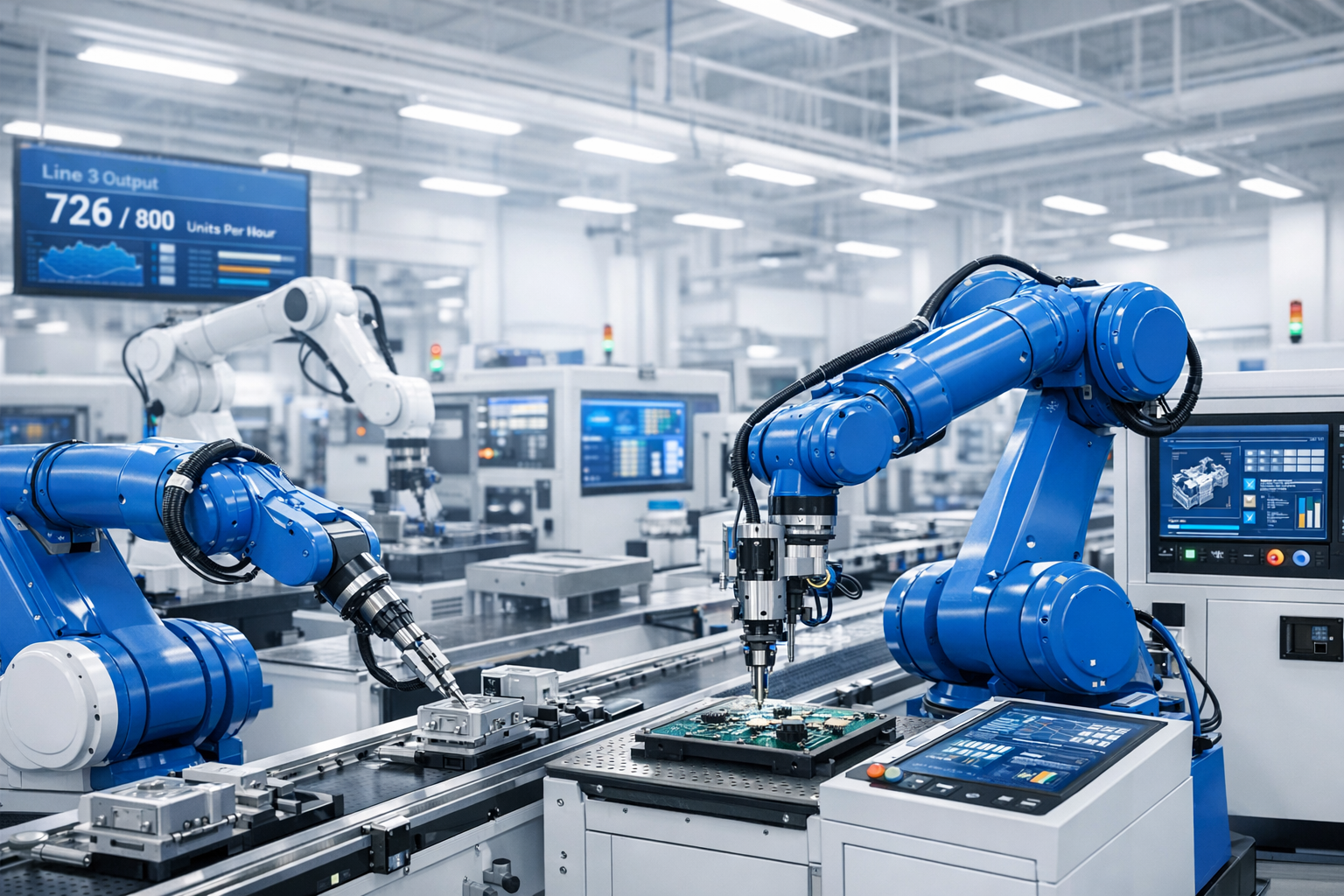
Automation or Obsolescence? The Next Wave of Manufacturing Investment Is Here
In today's rapidly evolving business landscape, making the right decision about automation can be the key to survival. As labor markets tighten and demand for efficiency grows, manufacturers must ask themselves: are they investing in capital projects that prioritize automation, or are they risking obsolescence? It's no longer just a question of whether to automate; it's about how to integrate automation effectively to drive growth.
Understanding the Shift: Why Automation Is No Longer Optional
The demand for automation has surged in the manufacturing sector. This isn't just a trend; it's a transformation rooted in necessity. With labor shortages impacting production capabilities, companies are being pushed to explore automated solutions.
Consider this: according to a recent study, nearly 80% of manufacturers plan to invest heavily in automation within the next few years. Why? Because automation can streamline operations, reduce waste, and ultimately improve the bottom line.
Labor Shortages: A Driving Force for Automation
Labor shortages are not a temporary challenge. They are reshaping the manufacturing landscape.
- Fewer skilled workers entering the field.
- Aging workforce nearing retirement.
- Increased demand for production capacity.
These factors create a pressing need for automation. Without it, companies risk falling behind competitors who are adopting newer technologies.
Capital Projects: Investing for the Future of Manufacturing
When discussing capital projects, the focus should be on sustainability and scalability. Companies should consider how their investments today will lay the groundwork for future growth.
Key Areas for Investment
Here are some areas where companies can direct their capital projects to foster automation:
- Robotic Process Automation (RPA) - Automating routine tasks to free up human resources for more complex work.
- AI and Machine Learning - Enhancing predictive maintenance to reduce downtime.
- Smart Manufacturing - Integrating IoT devices to monitor and optimize production lines in real-time.
Real-life examples abound. Take the automotive industry; companies like Tesla are leveraging automation to enhance production efficiency and quality assurance. The lesson? Embracing automation is more than just adopting new technology; it's about rethinking processes and systems.
The Risks of Ignoring Automation: The Obsolescence Trap
Ignoring the trend toward automation can lead to obsolescence. Companies that fail to adapt risk losing market share to more agile competitors.
Potential Pitfalls of Inaction
- Increased operational costs due to inefficient processes.
- Inability to meet customer demands for faster delivery.
- Reduction in market competitiveness.
The consequences can be dire. For example, companies that resisted automation during the 2008 recession saw significant profit losses and market exits. Don’t let your business be among those who underestimate the urgency of embracing automation!
Seizing the Opportunity: The Path Forward with MA Integration
At MA Integration, we understand that the transition to automation can be overwhelming. But it doesn’t have to be. Our team specializes in helping businesses navigate capital projects aimed at enhancing operational efficiency.
Whether it’s through process engineering or tailored consulting services, we're dedicated to translating technology into tangible results. Our goal is to ensure that your investment in automation not only aligns with industry trends but also meets your specific business needs.
Ready to invest in your manufacturing future? Explore our operational efficiency services and let us guide you through the next wave of manufacturing investment.
Don’t wait until it’s too late; the future of your business depends on embracing automation.
FAQ
What are the benefits of automation in manufacturing?
Automation enhances efficiency, reduces costs, and allows for better scalability of operations. It also minimizes human error and improves product quality.
How can MA Integration help with process engineering?
MA Integration offers tailored consulting services to optimize your manufacturing processes, ensuring they align with your goals while integrating modern automation solutions.
What should companies consider before investing in capital projects for automation?
Companies should assess their current processes, determine their automation goals, and evaluate potential return on investment. It’s also important to consider employee training and integration challenges.